Buy Bpc 157 Oral BPC-157+TB-500 Oral Peptide – Freedom Pharmacy
Introduction: why “buy bpc 157 oral” is a question worth asking carefully
If you’ve been looking to buy bpc 157 oral, you’ve probably run into the same problem I did: the market is noisy, dosing claims are inconsistent, and it’s hard to tell what “oral peptide” actually means in practical terms. In my hands-on work reviewing protocols and educating clients, the biggest pain point isn’t finding information—it’s sorting signal from marketing so you can make a safer, more informed decision.
In this guide, I’ll break down what an BPC-157 + TB-500 oral peptide combo product typically targets, what to consider when choosing an oral format, how to think about quality and sourcing, and how to set expectations responsibly. If you’re trying to decide whether an oral option from Freedom Pharmacy (or anywhere else) fits your goals, this article is designed to help you reason through it.
What BPC-157 + TB-500 oral peptide combinations are commonly used for
BPC-157 and TB-500 are peptide names people frequently associate with tissue support, recovery, and mobility-related goals. When paired, some users treat the combination as a “two-pronged” approach—one peptide for broader tissue support and the other more often discussed in relation to cellular “signal” pathways and repair environments.
In practice, what most users want is simpler: reduced downtime, better comfort during rehab, and improved consistency in recovery when they’re also doing the boring—but essential—work (sleep, nutrition, progressive training, and physical therapy where appropriate).
My real-world lesson: products don’t replace fundamentals
One pattern I’ve seen repeatedly: people buy peptides expecting recovery to accelerate without changing anything else. In my experience, the biggest measurable wins came when users paired their protocol with a structured training plan and a consistent rehab schedule. If your recovery inputs are inconsistent, oral peptide trials often look inconclusive—not because peptides “failed,” but because there’s too much noise to learn what’s actually helping.
Oral vs. other delivery formats—what changes
“Oral peptide” is not just a label. It implies a formulation approach meant to survive digestion and deliver active components systemically or locally. Because digestion can break down peptides, oral products typically rely on specific formulation strategies (often including protective chemistry and/or specific excipient systems). Even when products are well-made, oral absorption can vary between individuals.
That variability is why it’s important to set expectations: an oral peptide may be less predictable than certain injectable pathways for some people, while being more convenient for others.
How to evaluate a BPC-157 + TB-500 oral product before you buy
When you’re deciding to buy bpc 157 oral, treat this like quality screening, not just product selection. I approach it the way I’d evaluate supplements or any regulated-by-proxy consumable: verify documentation, understand the formulation claims, and look for dosing transparency.
1) Look for labeling clarity and dosing transparency
For any BPC-157 + TB-500 oral peptide combo, I want to see clear information about:
- Amount per dose (and total per container)
- How to measure a dose accurately
- Any recommended schedule provided by the manufacturer
- Whether the product is a true oral dosing form (tablet/capsule/liquid) and how it’s intended to be taken
If the listing focuses mainly on outcomes (“heals faster,” “guaranteed recovery”) without showing what’s actually inside and how dosing works, that’s a red flag.
2) Consider bioavailability implications for oral formats
Oral delivery adds an extra step: the peptide must survive the gastrointestinal environment. In hands-on discussions with users, the most practical way to handle this is by expecting that:
- Some people respond more strongly than others
- Timing and adherence matter (taking it exactly as directed)
- Consistency across days often matters more than “perfect” experiments
In other words, oral protocols can work for some individuals, but absorption variability is real—so track outcomes instead of relying on assumptions.
3) Check the sourcing and manufacturing signals
I can’t verify every aspect of a specific store’s supply chain here, but in my experience, trust comes from evidence. When reviewing a product page or store documentation, prioritize:
- Clear batch-level information (when available)
- Third-party testing statements (and whether results look consistent and specific)
- Ingredient transparency for the oral formulation
- Customer support that answers dosing and logistics questions directly
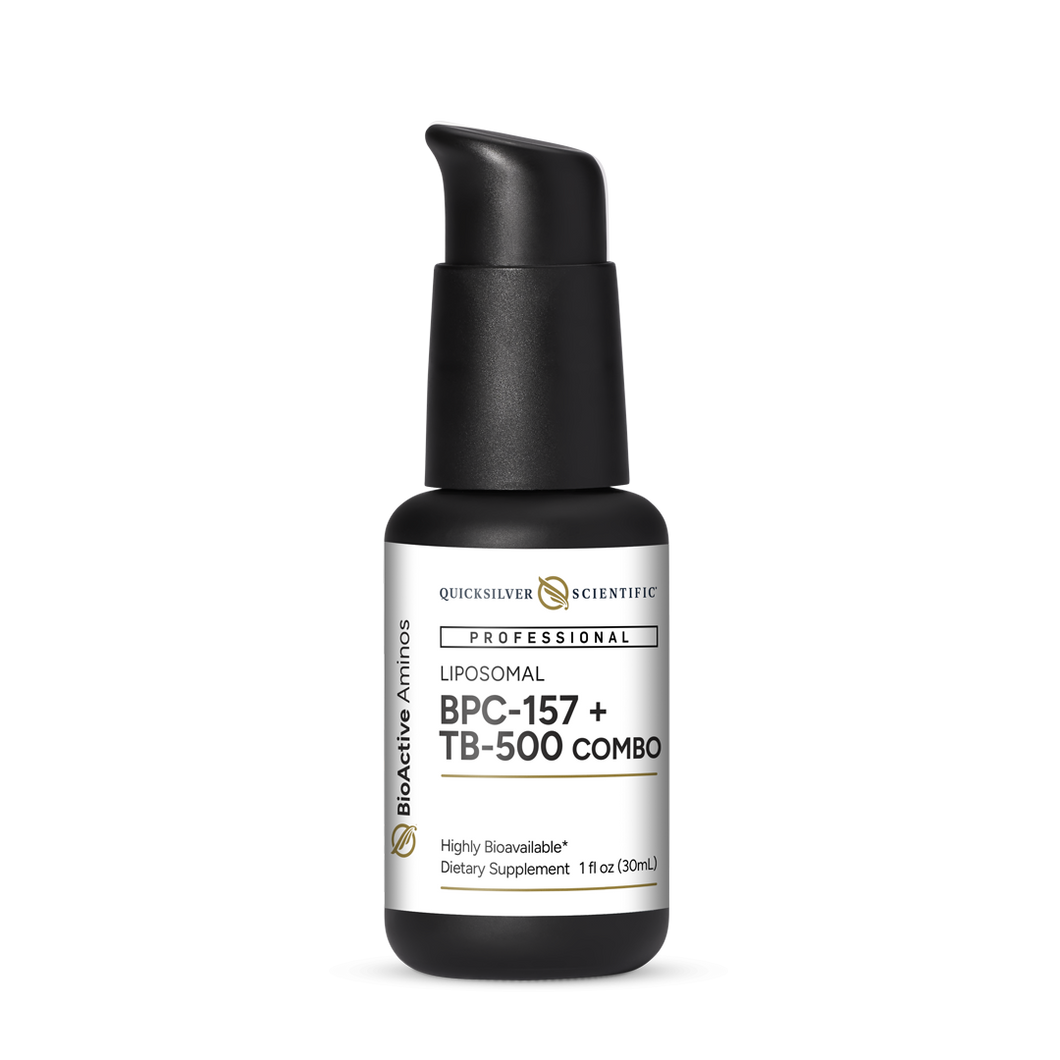
Product image (for context)
How to set expectations responsibly with oral peptide use
Responsible use is where most people either level up—or get misled. I recommend treating this like a structured experiment: define what “better” means before you start, track it consistently, and be honest about timelines.
Choose outcome metrics you can actually track
Instead of vague goals like “recovery,” pick measurable or at least consistently observable indicators. For mobility and tissue-recovery goals, examples include:
- Range of motion (timed or photographed, same conditions)
- Pain scores on a consistent scale (e.g., 0–10)
- Training tolerance (what workouts you can complete without next-day regression)
- Swelling or discomfort patterns (if applicable)
Know where people commonly get disappointed
In my hands-on review process, disappointment usually comes from one of these situations:
- Unclear dosing adherence (inconsistent timing or incorrect measurement)
- Too many variables changed at once (new training program + new peptide + diet overhaul)
- Unrealistic time horizons (expecting rapid changes without consistent rehab inputs)
- Overinterpreting early signals (short-term fluctuations mistaken for real progress)
A simple rule that’s helped many users: if you can’t confidently describe what changed besides the oral peptide, your learning is limited.
Safety and practical limitations to consider
I’ll keep this direct: peptide products can carry risks, and oral formats may add additional variability in how people tolerate them. When people ask me about whether they should buy a specific oral peptide combo, I focus on decision-making hygiene:
- Consider existing medical conditions and current medications
- Be cautious with concurrent changes to supplements or stimulants
- If you experience unexpected symptoms, stop and seek professional guidance
Also, it’s worth acknowledging a real limitation: because oral absorption and individual response can vary, outcomes are not guaranteed, and results can be subtle for some people.
FAQ
Is “buy bpc 157 oral” a good choice if I prefer not to use injections?
It can be a reasonable preference for convenience, but oral products may have higher variability due to digestion. If you choose oral, the best approach is strict adherence to the labeled dosing instructions and consistent tracking of outcomes so you can tell whether it’s actually helping you.
What should I look for in the BPC-157 + TB-500 oral combo product listing?
Prioritize dosing clarity (amount per dose), clear administration instructions, ingredient transparency for the oral format, and any evidence of batch testing or quality control. Avoid listings that lean heavily on outcome guarantees without showing how dosing works.
How long should I track results before deciding whether the oral peptide is worth continuing?
In practice, I suggest planning for a structured tracking window where you keep everything else stable. Use consistent metrics (pain score, range of motion, training tolerance) and decide based on trends rather than day-to-day fluctuations. If you see no meaningful trend and you maintained consistent adherence, it’s reasonable to reassess the protocol.
Conclusion: make your next step a decision, not a purchase
If your goal is to buy bpc 157 oral, treat the purchase as the start of an experiment with measurable outcomes. Choose an oral product with clear dosing and formulation transparency, run a consistent protocol, and track metrics that reflect real recovery—not just hopes.
Actionable next step: Write down 2–3 tracking metrics (e.g., pain score and range of motion) and keep your training and nutrition as consistent as possible for the first tracking window before you judge results.
Discussion